Phishing
A social engineering scam that deceives users into revealing sensitive information.

Original template by User:Isochrone , amended by User:Belbury · CC BY 4.0
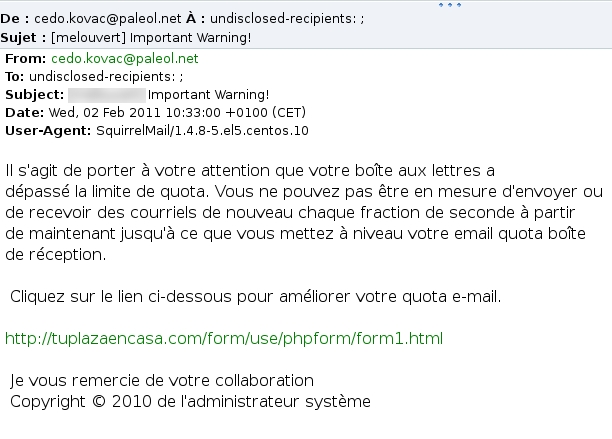
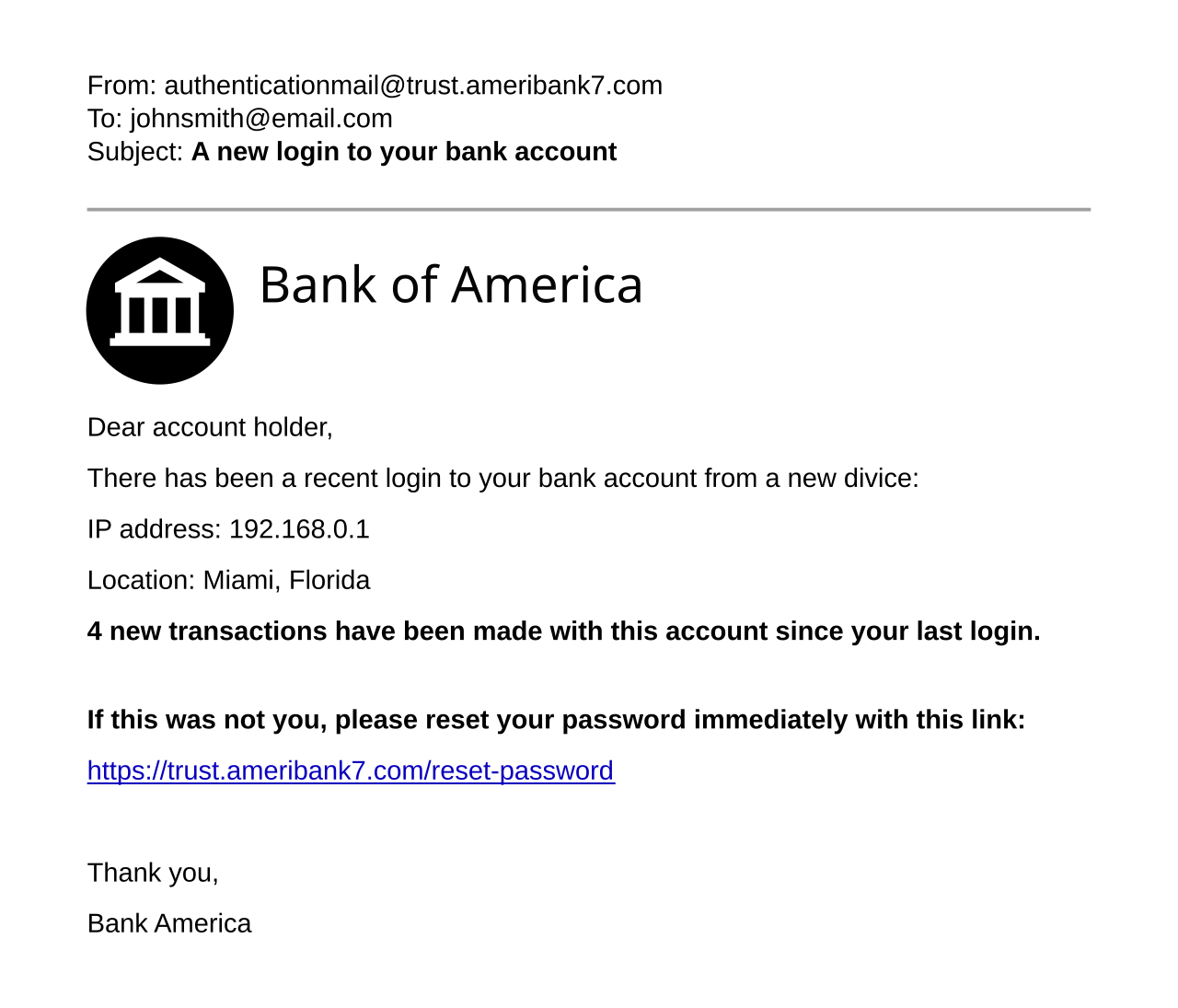
Phishing is a form of social engineering and a scam where attackers deceive people into revealing sensitive information or installing malware such as viruses, worms, adware, or ransomware. It remains the most prevalent type of cybercrime globally, with the threat intensified by the integration of generative AI, enabling highly convincing, automated, and hyper-targeted campaigns at an unprecedented scale.
- first_recorded
- 1996
- prevalence_2023
- Removed (unverifiable vague statistic)
Lore & Background
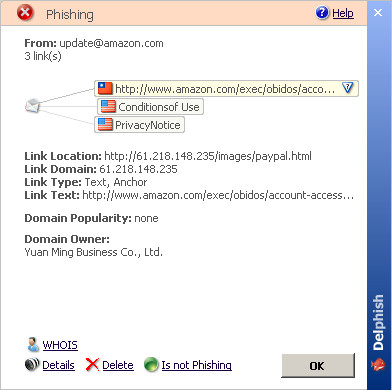
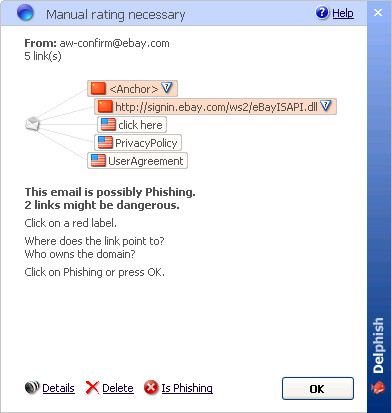
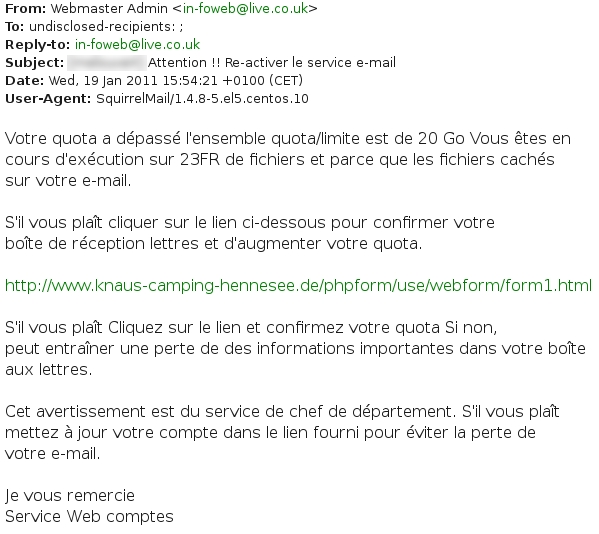
It is a variation of fishing, referring to the use of lures to 'fish' for sensitive information. Phishing attacks have become increasingly sophisticated, often transparently mirroring the targeted site to allow attackers to observe everything while the victim navigates, traversing additional security boundaries. Phishing techniques and vectors include email spam, vishing (voice phishing), targeted phishing (spear phishing, whaling), smishing (SMS), quishing (QR code), cross-site scripting, and Man-in-the-Middle (MitM) 2FA attacks.
Reader's Guide
The integration of generative AI has intensified the threat, enabling automated, hyper-targeted campaigns at unprecedented scale. Measures to prevent or reduce impact include legislation, user education, public awareness, and technical security measures. The importance of phishing awareness has increased in both personal and professional settings. Phishing's evolution from simple email scams to sophisticated techniques like MitM phishing—using tools such as Evilginx to bypass two-factor authentication—demonstrates its growing complexity. As QR codes become more widely used, quishing has emerged as a significant concern, with scammers exploiting convenience to trick users. The UK's National Cyber Security Centre rates quishing risk as lower than other lure types, but the trend indicates growing sophistication. Phishing's legacy lies in its persistent adaptation, forcing continuous vigilance and critical thinking from users and organizations alike.
Did You Know?
- Evilginx, originally created as an open-source tool for penetration testing, has been repurposed by cybercriminals for Man-in-the-Middle phishing attacks that bypass two-factor authentication.
Gallery

Frequently Asked Questions
What is Phishing?
Phishing is a social engineering scam in which an attacker tricks a victim into voluntarily surrendering confidential data or unknowingly installing malicious software such as ransomware, viruses, or adware. Rather than exploiting a technical vulnerability, it relies entirely on manipulating the target's trust and judgment.
How does Phishing carry out its attack?
The attacker crafts a message that impersonates a trusted sender, luring the recipient into clicking a malicious link, downloading a payload, or typing in credentials. The entire operation hinges on psychological deception delivered through a digital channel rather than brute-force intrusion.
When was Phishing first recorded in the canon?
The earliest documented instance of Phishing traces back to 1996, placing it among the older entries in the Crime and Deviance catalog. Nearly three decades later it still ranks as the single most prevalent form of cybercrime worldwide.
Why does Phishing anchor the 25-29 arc?
Its status as the most widespread category of cybercrime gives it a central, recurring role in the series. The integration of generative AI has further amplified its threat by enabling automated, hyper-personalized lures at a scale that was previously unachievable.
What distinguishes Phishing from other social engineering crimes?
While broader social engineering can involve in-person manipulation or long con narratives, Phishing is specifically defined by a bait-and-switch digital message that prompts a single impulsive action—clicking, downloading, or entering credentials. That narrow, repeatable delivery vector is what sets it apart in the catalog.
More in Crime And Deviance 25-29
Elsewhere in the Crime And Deviance universe
Spotted an error? Know more?
This is a living reference — every entry is fact-audited, and reader corrections feed straight into our audit queue. Suggest an edit · See this site's audit record