Missing and Murdered Indigenous Women
Victims of violence disproportionately affecting Indigenous women and girls.

Slowking4 · CC BY-SA 2.5
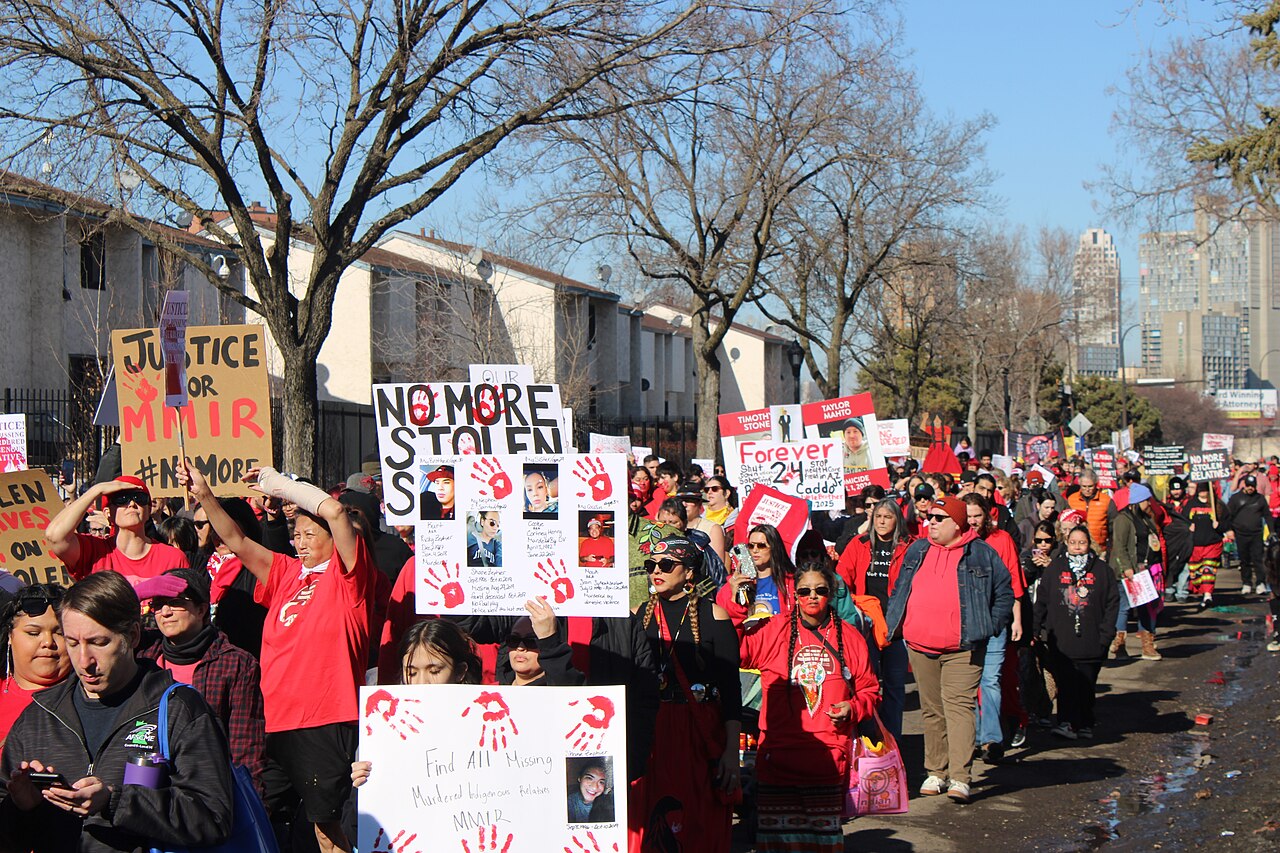
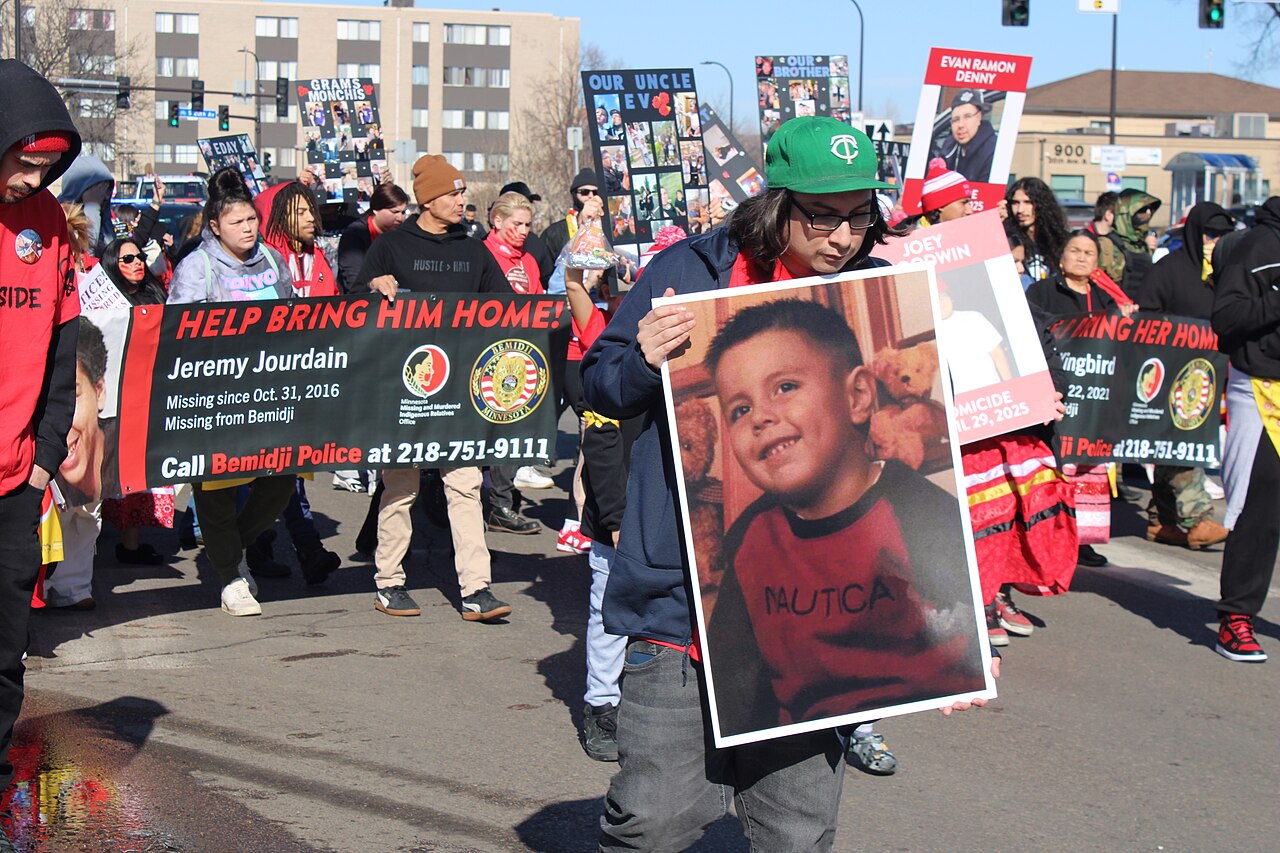
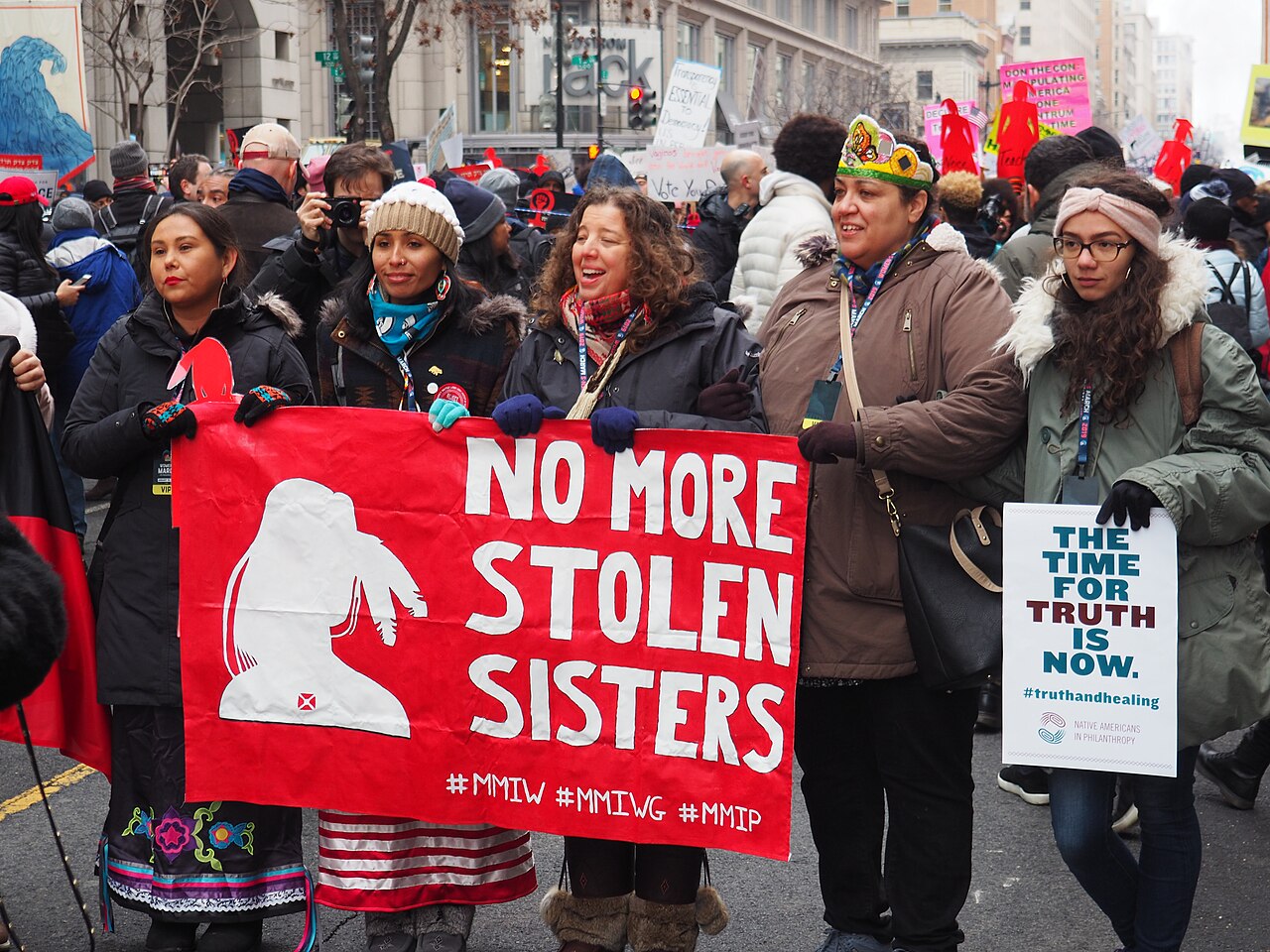
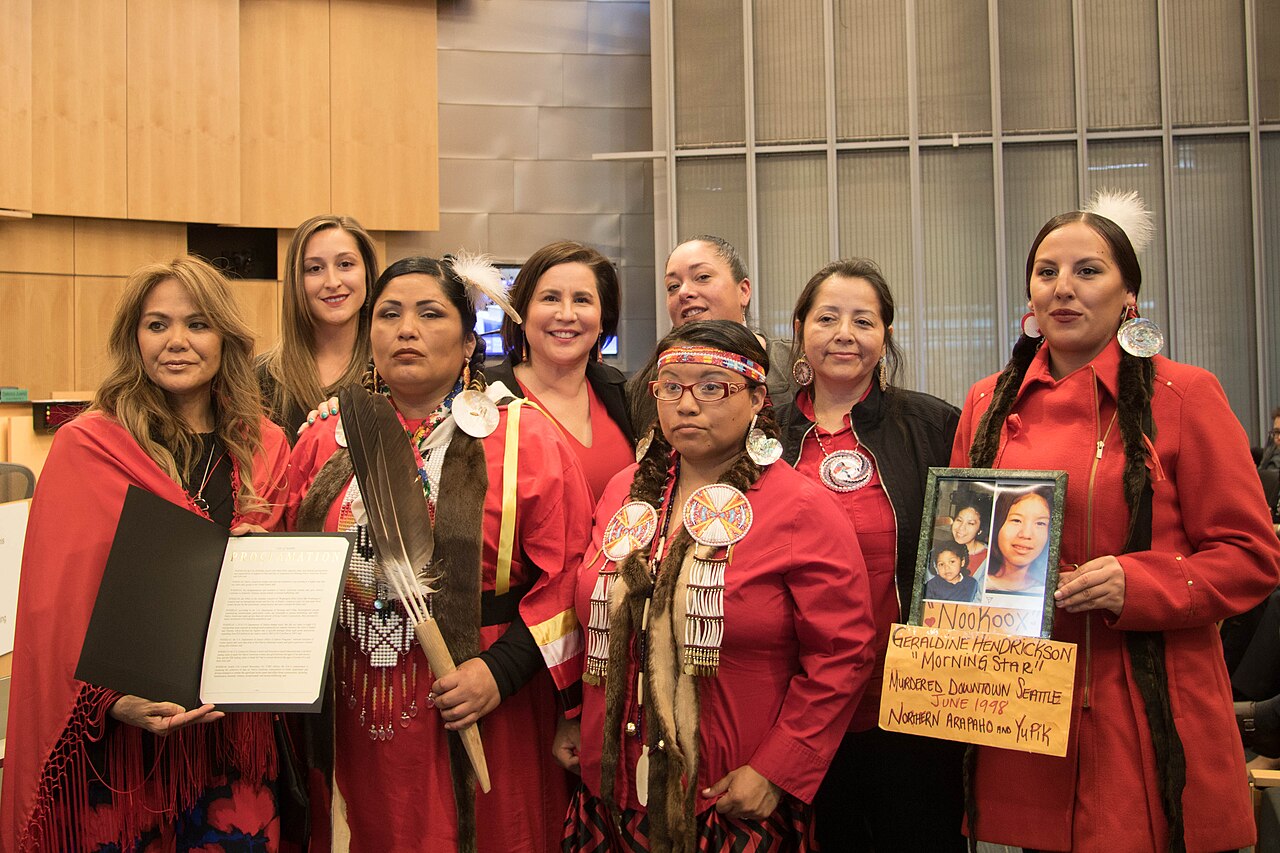
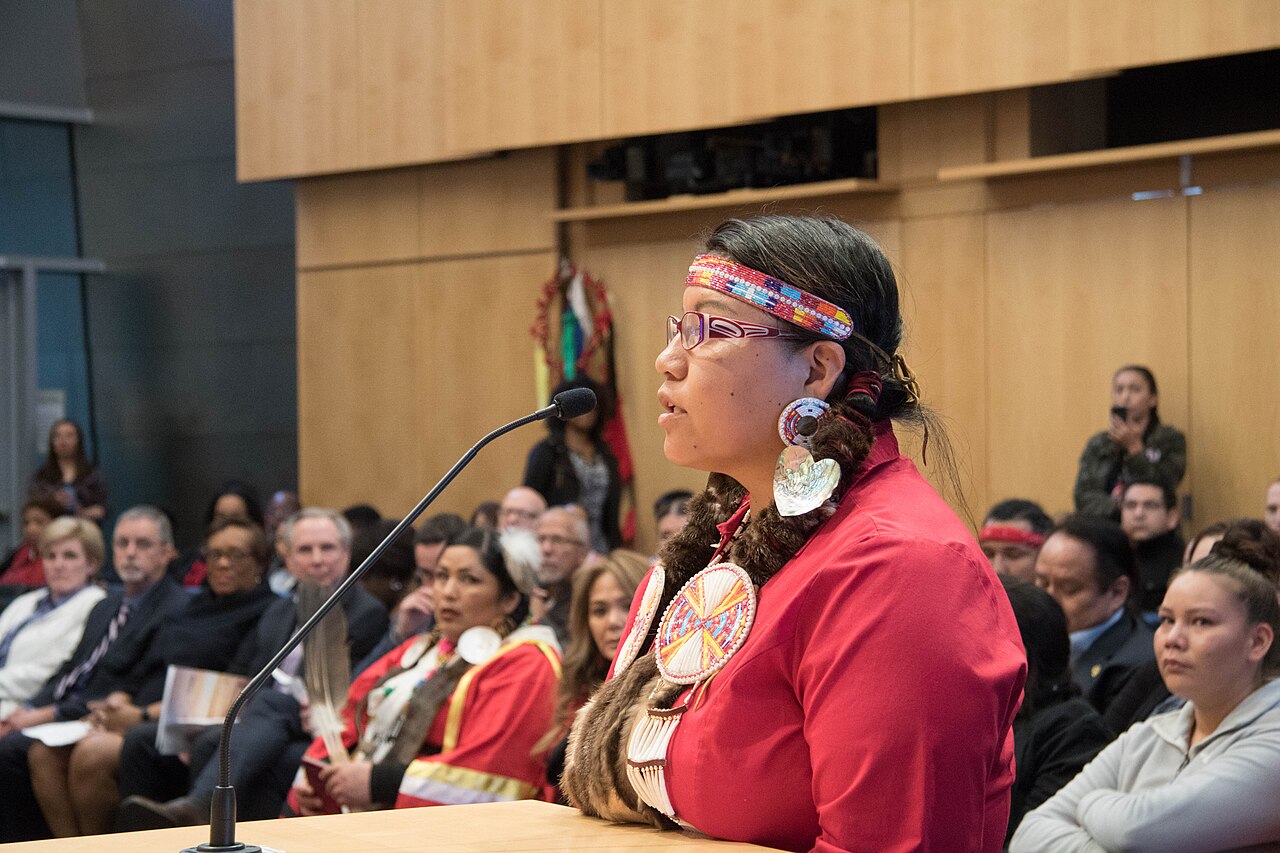
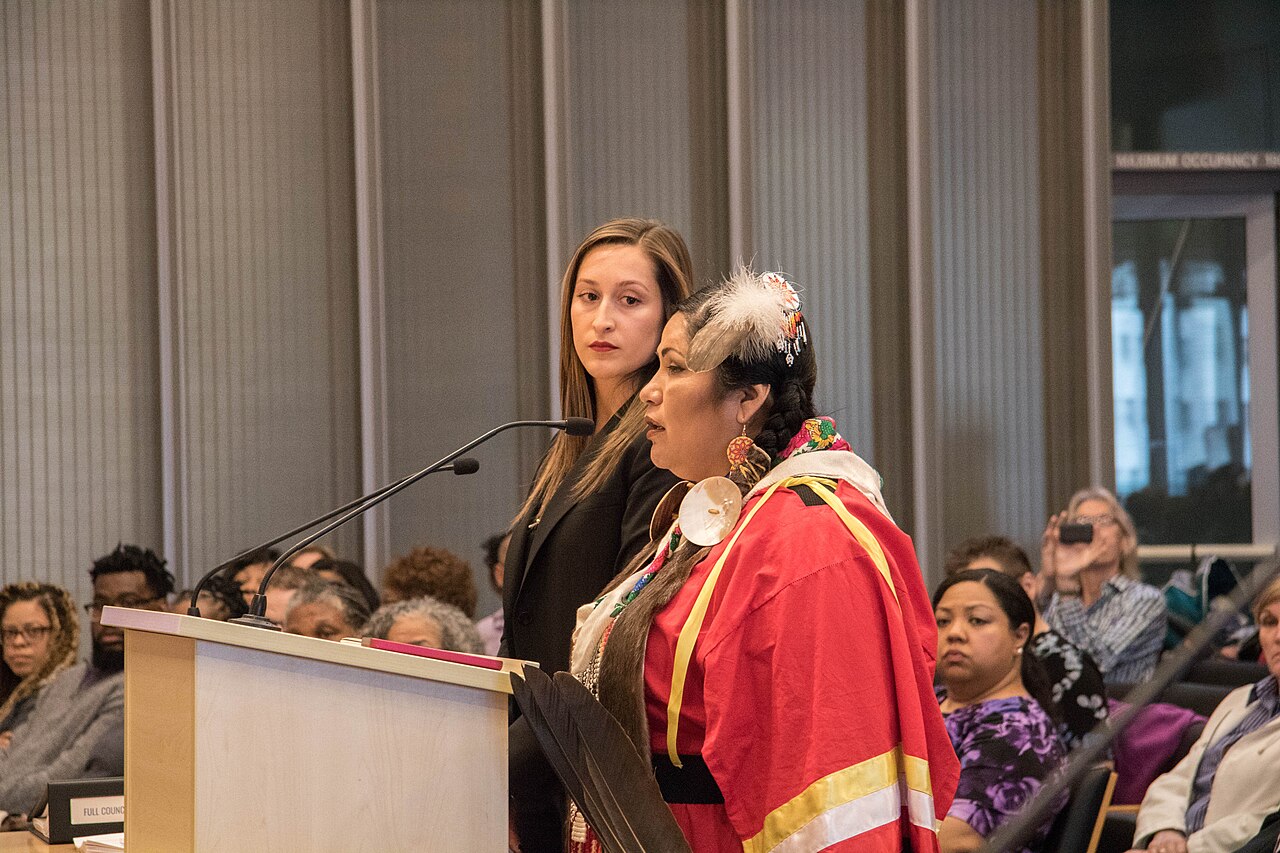
Missing and Murdered Indigenous Women and Girls (MMIWG) are victims of violence against Indigenous women in Canada and the United States, including those in First Nations and Native American communities, as well as among other Indigenous peoples such as in Australia and New Zealand. A grassroots movement raises awareness through marches, protests, meetings, domestic violence training, and maintaining records of the missing. Activists have tried to raise awareness of the connection between sex trafficking, sexual harassment, sexual assault, and the women and girls who go missing and are murdered.
- born
- Not specified in article
- died
- Not specified in article
- field
- Violence against Indigenous women and girls
- nationality
- Indigenous peoples of Canada, United States, Australia, New Zealand
- known_for
- Victims of disproportionate violence; subject of grassroots movement and government inquiries
Lore & Background
In Nunavut, Yukon, the Northwest Territories, Alberta, Manitoba, and Saskatchewan, this overrepresentation was even higher. In the United States, Native American women are more than twice as likely to experience violence as any other demographic. One in three Indigenous women are sexually assaulted during their life, and 67% of assaults reported involve non-Indigenous perpetrators, while 70% of assaults go unreported. MMIWG has been described as a Canadian national crisis and a Canadian genocide.
Reader's Guide
The significance of Missing and Murdered Indigenous Women lies in the systemic violence and marginalization faced by Indigenous women and girls across multiple countries. The movement has forced recognition of a crisis long ignored by authorities, leading to government inquiries and legislative changes. In Canada, the National Inquiry confirmed that violence against Indigenous women is rooted in systemic oppression and colonial policies. In the United States, legal reforms like the Violence Against Women Act reauthorizations have attempted to address jurisdictional gaps that allowed perpetrators to evade justice. The grassroots movement continues to raise awareness through marches, protests, and record-keeping, highlighting the connection between sex trafficking, sexual assault, and disappearances. The legacy of MMIWG includes ongoing advocacy for better data collection, police accountability, and legal protections, as well as cultural commemorations such as Red Dress Day. The issue remains unresolved, with activists noting that many cases still go uninvestigated and that violence rates remain disproportionately high.
Did You Know?
- In the United States, Native American women are more than twice as likely to experience violence as any other demographic.
- One in three Indigenous women are sexually assaulted during their life, and 67% of assaults reported involve non-Indigenous perpetrators.
A Young Woman's Promise
Helen Betty Osborne was born on July 16, 1952, in Norway House, Manitoba, as the eldest of ten children to Joe and Justine Osborne. Her family included seven brothers and two sisters, Cynthia and Cecilia. Despite growing up in a small Indigenous community, Osborne harbored a clear ambition: to attend college and become a teacher. However, the absence of a secondary school in Norway House forced her to leave home at a young age. She spent two years at Guy Hill Residential School outside The Pas, a culturally mixed town where European Canadians, Métis, and Cree people coexisted. In the fall of 1971, she enrolled at Margaret Barbour Collegiate, boarding with a white couple, Bill and Patricia Benson, who lived just two minutes from campus. Her life, though interrupted by the era's systemic barriers, was one of quiet determination and forward-looking hope.
A Night of Brutal Violence
On the evening of November 12, 1971, Osborne spent time with friends at the Northern Lite Cafe in The Pas before heading back toward her boarding house. Her companions left around midnight, and little is known of her movements after that point. At approximately 2:30 a.m. on November 13, she was walking home alone when four men abducted her, forcing her into a vehicle where she was gang raped. The assault continued at a cabin near Clearwater Lake, where one assailant repeatedly beat her while the others watched and drank beer. She was then taken to a pump house, stripped naked, and stabbed fifty-six times with a screwdriver. The following morning, a 14-year-old boy named Kenneth Gurba, who had wandered off from his father and a friend while fishing, discovered her body near a bush around 11:30 a.m. The scene was found by chance, not by any systematic search.
A System That Failed
The Royal Canadian Mounted Police investigation into Osborne's murder was marred by what the Aboriginal Justice Implementation Commission later identified as racism, sexism, and indifference. In the early stages, suspicion fell on her 17-year-old ex-boyfriend Cornelius Bighetty and her 18-year-old friend Annaliese Dumas, both Indigenous, who were not even told of her death until shown a photograph of her beaten face during interrogation. Bighetty fainted at the sight. Crucial evidence at the crime scene was neglected, and Indigenous suspects were treated differently from non-Indigenous ones. It was not until an anonymous letter in May 1972 named four white men—Colgan, Houghton, Johnston, and Manger—that a viable lead emerged. Yet even then, progress was glacial. Colgan was not arrested until October 1986, and it took until December 1987 for any conviction to land. Houghton was acquitted, Manger was never charged, and Colgan received immunity in exchange for testimony. Johnston, convicted of second-degree murder, was paroled after just ten years. The case was not officially closed until February 12, 1999—seventeen years after the murder.
Acknowledgment and Remembrance
In the years following the case, Osborne's story became a catalyst for public awareness of the epidemic of violence against Indigenous women in Canada. On July 14, 2000, Manitoba's Minister of Justice Gord Mackintosh delivered a formal apology to the Osborne family, holding the hand of her sister Cecilia as he acknowledged that many parts of the justice system had failed. He stated plainly that his department had not done enough. As a concrete gesture, the government announced a $50,000 scholarship fund drawn from the Victims Assistance Fund, intended to support Indigenous female students pursuing careers in education, with bursaries beginning in September 2001. On September 22, 2004, the Norway House Cree Nation opened the Helen Betty Osborne Ininiw Education Resource Center, a combined primary and secondary school that would finally provide local Indigenous children with the secondary education Osborne herself had been denied. Her name, once buried by institutional neglect, became a living commitment to the very future she had dreamed of.
Gallery
Frequently Asked Questions
What is Missing and Murdered Indigenous Women (MMIWG)?
MMIWG describes the disproportionate violence, disappearance, and killing of Indigenous women and girls in Canada, the United States, and other nations. It also names the grassroots movement that campaigns for justice, awareness, and systemic change on behalf of affected communities.
Who is affected by the MMIWG crisis?
Indigenous women and girls across multiple nations are disproportionately targeted, including members of First Nations in Canada, Native American communities in the U.S., and Indigenous peoples in Australia and New Zealand. The violence ranges from unexplained disappearances to sex trafficking, sexual assault, and domestic homicide.
What does the MMIWG movement actually do?
Activists organize marches, protests, and community meetings to pressure governments and law enforcement for accountability. They also run domestic-violence training programs, keep detailed records of missing individuals, and lobby for policy reform at local and national levels.
Why is the MMIWG issue considered so significant?
It exposes long-standing systemic failures in policing, the justice system, and social services that have left Indigenous communities vulnerable for generations. The crisis has triggered formal government inquiries in Canada and the U.S. and remains a focal point in broader conversations about racial justice and Indigenous sovereignty.
How does MMIWG connect to issues like sex trafficking and sexual harassment?
Advocates stress that trafficking, harassment, and the pattern of Indigenous women and girls vanishing or being killed are interlinked rather than isolated incidents. Treating these connections as a single web of harm is seen as essential to addressing root causes instead of handling each case in a vacuum.
More in Crime And Deviance 25-29
Elsewhere in the Crime And Deviance universe
Spotted an error? Know more?
This is a living reference — every entry is fact-audited, and reader corrections feed straight into our audit queue. Suggest an edit · See this site's audit record