Mutilation
Severe bodily damage affecting quality of life.
Mutilation or maiming (from the Latin: *mutilus*) is severe damage to the body that has a subsequent harmful effect on an individual's quality of life. In the modern era, the term has an overwhelmingly negative connotation, referring to alterations that render something inferior, dysfunctional, imperfect, or ugly. The term is used in contexts ranging from ritual practices to judicial punishment and criminal damage.
Formal criteria to distinguish mutilation from dismemberment were proposed in 2019. Dismemberment involves the complete removal of a large body section, such as the head, arms, hands, torso, pelvic area, legs, or feet. Mutilation, by contrast, involves the removal or irreparable disfigurement of a smaller portion of those larger sections, including castration, evisceration, and flaying. For example, removing a whole hand constitutes dismemberment, while removing or damaging a finger is mutilation; decapitation is dismemberment, while damaging part of the face is mutilation.
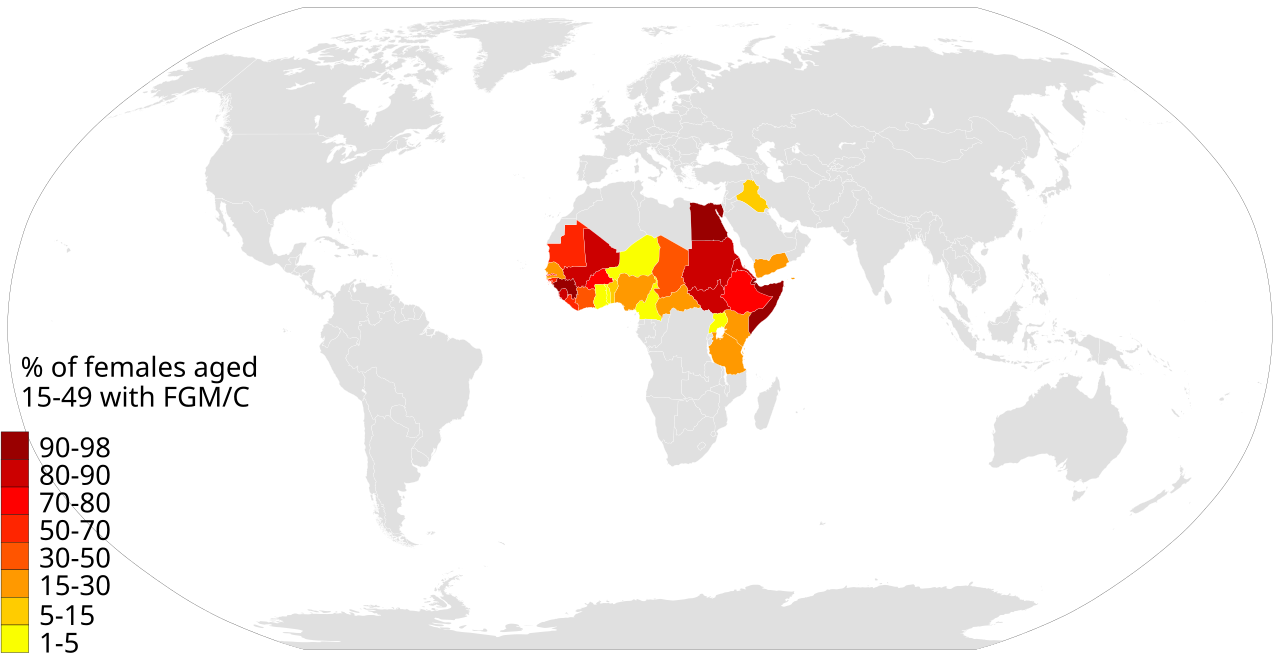
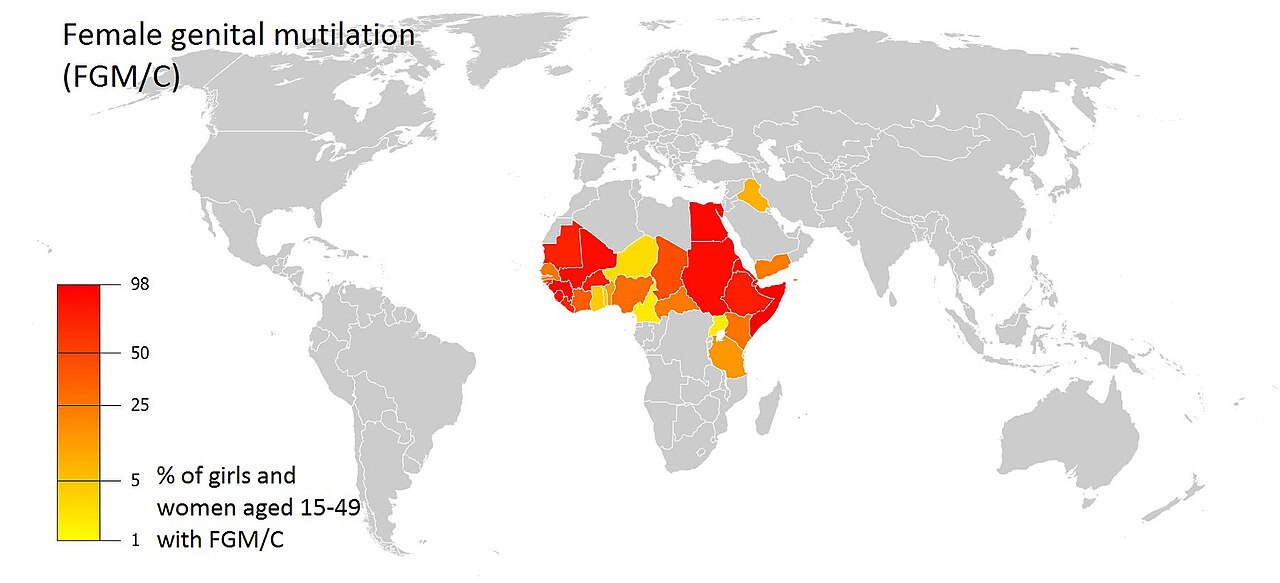
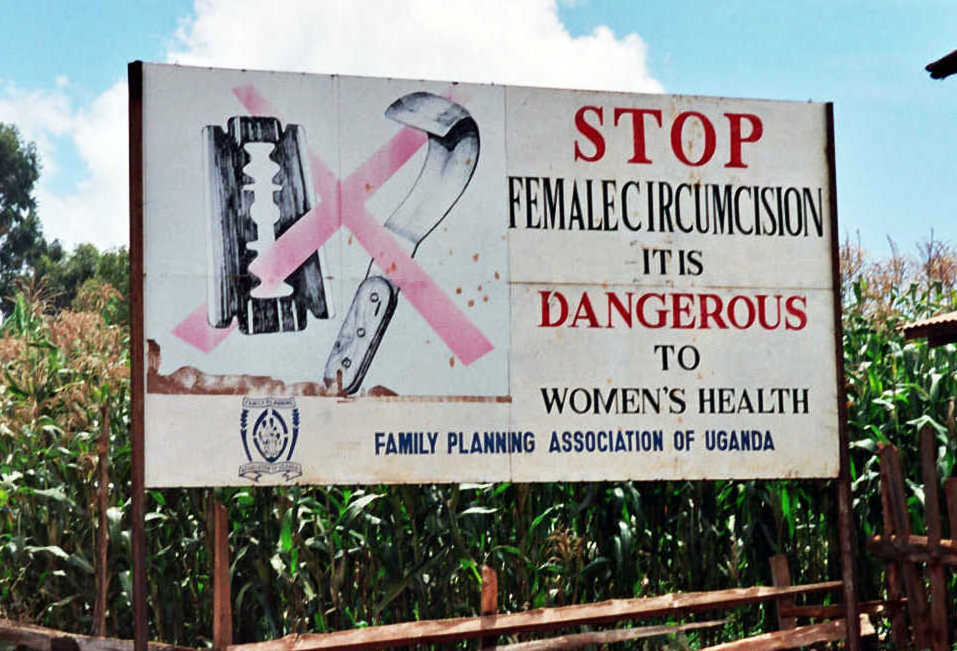
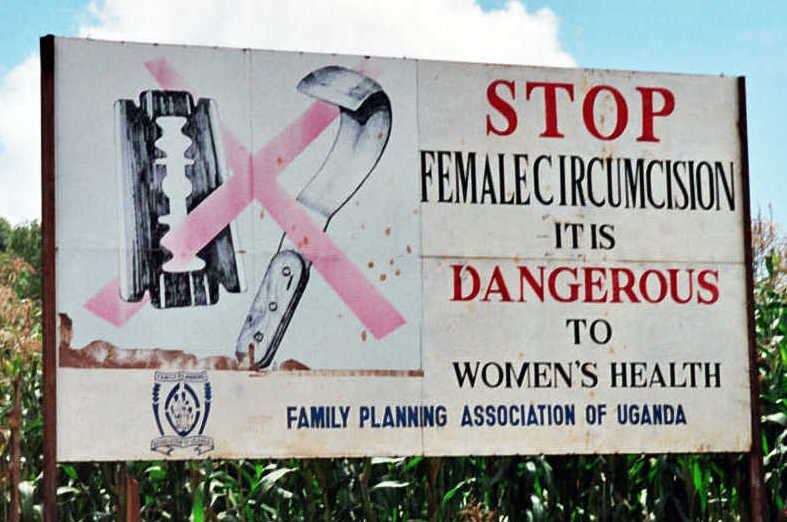
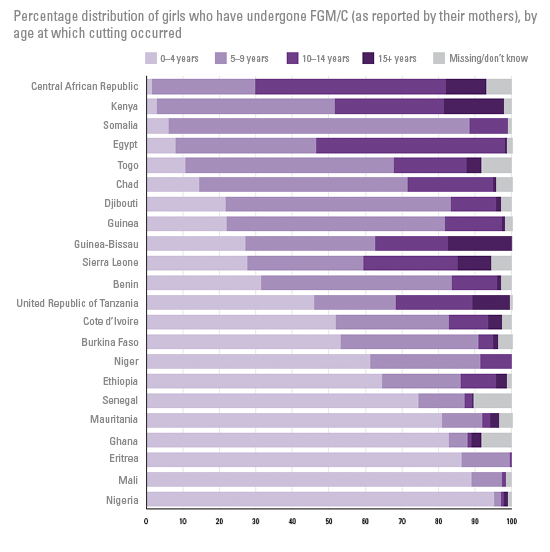
Various ethnic groups practice ritual mutilation, such as burning, clitoridectomy, or flagellation, often as part of a rite of passage. The term may also apply to dead bodies, as with scalping after death. Castration is a form of mutilation, as are the traditional Chinese practice of foot binding and the Padaung practice of wearing brass neck rings to artificially lengthen the neck. A joint United Nations statement opposes female genital mutilation.
Maiming, involving the loss or incapacity to use a bodily member, has been practiced for cultural and religious reasons and as a form of punishment, often on the principle of an eye for an eye. Historical examples include the Chinese general Sun Bin, who had his kneecaps removed, and the Araucanian warrior Galvarino, whose hands were amputated. In English law, the old term for maiming persons was mayhem. Maiming of animals by others is a form of malicious damage; in Britain, the Malicious Damage Act 1861 prescribed penal servitude for maiming cattle, while injury to other animals was a misdemeanor. Modern law treats such acts under cruelty and criminal damage statutes.
As judicial punishment, mutilation often targeted visible body parts. In England, pamphleteers attacking Anglican episcopacy under Archbishop Laud had their ears cut off. In Scotland, a Covenanter had his ears severed for refusing to renounce his faith. In the Thi
- definition
- Severe damage to the body harming quality of life
- etymology
- Latin: mutilus
- related_terms
- Dismemberment, maiming, mayhem
- examples_of_ritual_mutilation
- Burning, clitoridectomy, flagellation, foot binding, neck elongation
- historical_punishment_examples
- Ear cropping, branding, kneecap removal, hand amputation
Lore & Background
Mutilation is severe damage to the body that negatively affects a person's quality of life. In modern usage, the term carries a strongly negative connotation, describing alterations that make something inferior, dysfunctional, imperfect, or ugly. Formal criteria proposed in 2019 distinguish mutilation from dismemberment: dismemberment involves the complete removal of a large body section, such as the head, arms, hands, torso, pelvic area, legs, or feet. Mutilation, by contrast, involves the removal or irreparable disfigurement of a smaller portion of one of those larger sections. Examples include castration (removal of the testicles), evisceration (removal of internal organs), and flaying (removal of skin). Removing a whole hand is dismemberment; removing or damaging a finger is mutilation. Decapitation of a full head is dismemberment; removing or damaging part of the face is mutilation. Removing a whole torso is dismemberment; removing or damaging a breast or organs within the torso is mutilation. Some ethnic groups practice ritual mutilation, such as burning, clitoridectomy, or flagellation, often as a rite of passage. The term can also apply to treatment of dead bodies, as with scalping after an enemy is killed. Castration is a form of mutilation, as was the traditional Chinese practice of foot binding. The Padaung, a sub-group of the Karen known as the "long-neck" people, wear brass rings around women's necks to artificially lengthen them. A joint statement by the United Nations and other international bodies opposes female genital mutilation. Maiming, or mutilation involving the loss or incapacity to use a bodily member, has been practiced by many societies for cultural or religious reasons and as a form of punishment, often on the principle of an eye for an eye. Historical examples include Chinese general Sun Bin having his kneecaps removed after being framed for treason, and Araucanian warrior Galvarino having his hands amputated as a prisoner during the Spanish conquest of Chile. Maiming has often been a criminal offense; the old law term for a special case of maiming persons is mayhem. Maiming of animals by others than their owners is a form of malicious damage. In Britain, the Malicious Damage Act 1861 punished maiming of cattle with three to fourteen years' penal servitude, while malicious injury to other animals was a misdemeanor. Today, maiming
Reader's Guide
Mutilation has been practiced by many societies with cultural, religious, and punitive significance. Some ethnic groups practice ritual mutilation, such as burning, clitoridectomy, or flagellation, often as rites of passage. The United Nations and numerous international bodies oppose female genital mutilation. Historically, maiming has been a customary form of physical punishment, applied on the principle of an eye for an eye. Examples include Chinese general Sun Bin having his kneecaps removed and Araucanian warrior Galvarino having his hands amputated. In English law, maiming of persons was termed mayhem, and maiming of animals is treated as criminal damage or cruelty. Judicial mutilation, such as ear cropping and branding, was used in England, Scotland, Japan, and the Thirteen Colonies. In the Southwest Territory, a horse thief was sentenced to have his ears severed and cheeks branded. In Ethiopia, an unsuccessful claimant to the throne had his ears and nose severed to disqualify him from kingship.
Did You Know?
- Mutilation is distinguished from dismemberment by the size of the body part removed; removing a finger is mutilation, while removing a whole hand is dismemberment.
- The traditional Chinese practice of foot binding is considered a form of mutilation.
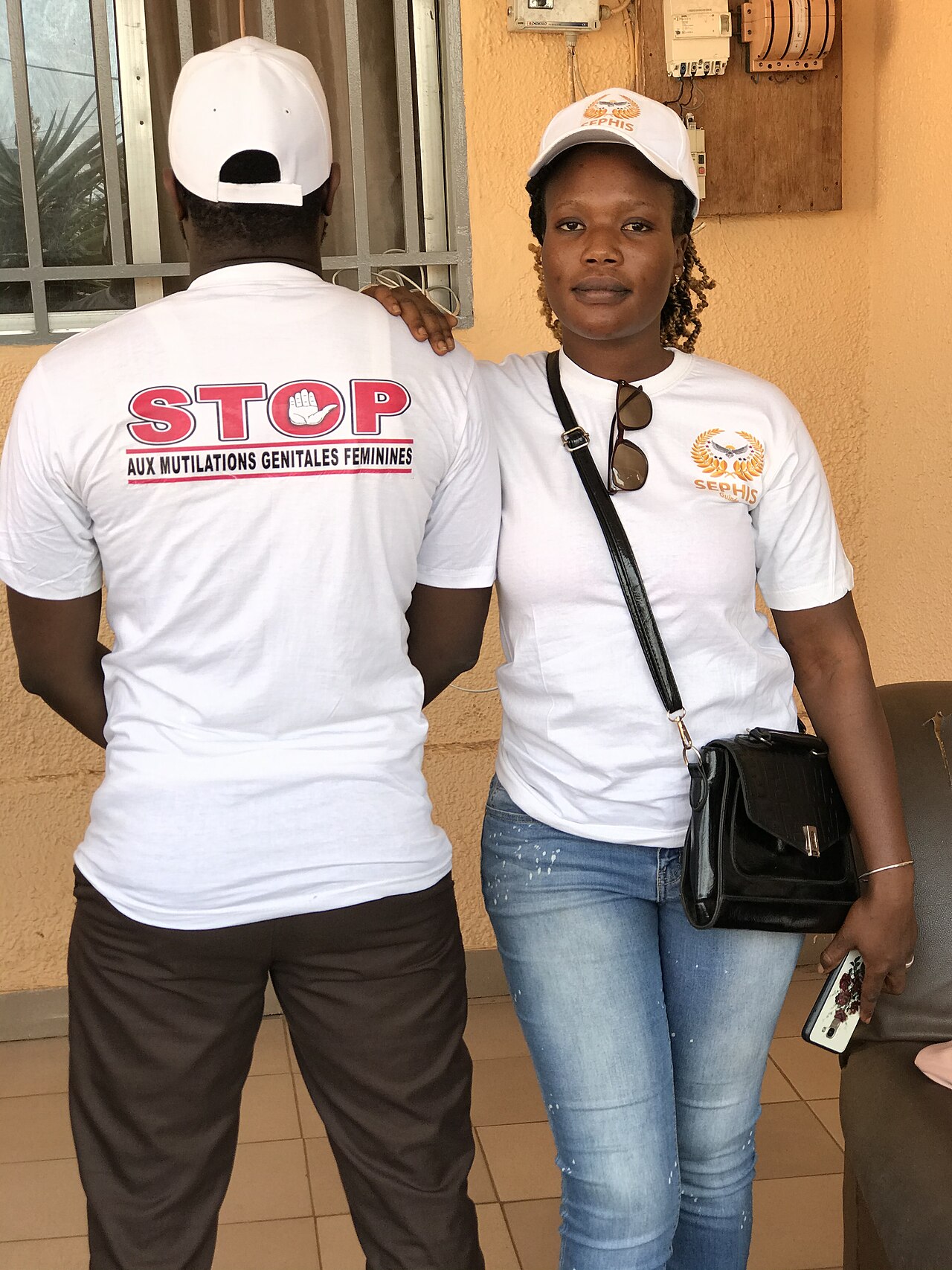
- The United Nations and numerous international bodies have issued a joint statement opposing female genital mutilation.
The Body as Canvas: Artistic Philosophy
Anthony Loffredo, a French-born artist who began reshaping his physical form at the age of twenty-six, frames his work in explicitly creative terms. Rather than viewing the extensive alterations to his face, hands, and skull as self-harm, he describes them as a personal evolution and a deliberate aesthetic refinement. He has named this ongoing creative endeavor "The Black Alien Project," treating his own flesh as a living medium that he sculpts over time. In a 2021 interview, he shared that the process of reshaping his appearance genuinely improved his self-image, suggesting that the act of creation was as important as the visible result. His initial step was splitting his tongue, a relatively modest beginning compared to what followed. Loffredo consistently rejects the label of mutilation, insisting that each change is a deliberate artistic decision within a larger composition. This philosophical stance positions him not as a victim of impulse but as a practitioner with a coherent, if radical, aesthetic vision that he pursued with methodical intention across nearly a decade of continuous work.
Anatomy of the Transformation
The physical changes Loffredo has undergone span an extraordinary range. His modifications include the splitting of his tongue, the amputation of two fingers on his left hand, the removal of an ear, partial excision of his nose, and the removal of his top lip. His skull bears implants, as do other areas of his body through subdermal insertions. He has undergone scarification, the removal of his dermis and scalp, and the sharpening of his teeth. His eyes carry tattoo work, and his skin is covered almost entirely in black ink, complemented by numerous piercings. Because the majority of these procedures are prohibited under the laws of many nations, Loffredo was compelled to seek practitioners across borders. He developed a particularly close working relationship with two Mexican body modifiers, Gatto Moreno and Drake Bryan, who were willing to carry out the more extreme interventions. At one point he also contemplated amputating a leg in order to replace it with a biomechanical prosthesis, though as of May 2024 that step had not been taken.
Documentary Spotlight and Global Recognition
Loffredo's work gained significant public visibility in 2023 when filmmaker Arthur Bruel produced a documentary following his transformation journey. Titled "I Transformed Myself Into An Alien" (also referred to as "The Black Alien Project"), the film aired on Channel 4's digital platform in June of that year, bringing Loffredo's radical self-reinvention to a broad British and international audience. The documentary captured both the technical process behind each modification and the personal philosophy driving the artist's choices. That same year, the Spanish newspaper El País published a profile in which Loffredo was described as a leading figure in the global community of extreme body modification. This recognition placed him alongside a small community of practitioners who push the boundaries of what the human body can be altered into. The convergence of a major television documentary and prominent international press coverage marked a turning point in how mainstream audiences engage with extreme body modification as a legitimate, if controversial, form of artistic expression.
Life Before, Between, and After the Project
Before dedicating himself to body modification, Loffredo worked as a nightclub security guard in France, where he was born around 1988. At twenty-four he relocated to Australia, and he eventually settled in Guadalajara, Mexico, where he now resides. He is trilingual, speaking French, Spanish, and English, a skill set that has been essential to his international career. His livelihood today comes from working as a photography and video model, collaborating with brands, and practicing as a tattoo artist. In late 2023, Loffredo paused his modification process, and by December of that year he declared the Black Alien Project complete, stating that it no longer held any significance for him. His final planned step was a full cover-up in black ink to complete the metamorphosis. The trajectory of his life, from security guard to internationally recognized extreme modification artist to a settled creative professional in Mexico, reflects a person who used radical self-alteration as a chapter rather than a permanent identity.
Gallery
Frequently Asked Questions
Who is Mutilation?
Mutilation is the concept of severe bodily damage that leaves a lasting negative impact on a person's quality of life. In the Crime and Deviance series it occupies entry 25-29, covering the spectrum from criminal acts to historical and ritual contexts.
What are Mutilation's powers/role?
Mutilation encompasses a wide range of acts, from ritual practices like foot binding and flagellation to judicial punishments such as hand amputation and branding. Its role in the canon is to illustrate how bodily harm has been weaponized across cultures and eras for control, punishment, or social conformity.
How does Mutilation's story end?
In the modern era the term carries an overwhelmingly negative weight, associated with making something inferior, dysfunctional, or ugly. The entry closes by framing mutilation as a concept whose connotation has shifted from a neutral anatomical description to a marker of deliberate harm and degradation.
What is the etymology of Mutilation?
The word traces back to the Latin term mutilus, which simply meant lacking or incomplete. Over time its meaning hardened into a strongly negative connotation tied to deliberate, harmful alteration of the body.
More in Crime And Deviance 1-24
Spotted an error? Know more?
This is a living reference — every entry is fact-audited, and reader corrections feed straight into our audit queue. Suggest an edit · See this site's audit record